Un archipiélago atlántico de extraordinaria riqueza natural, donde el equilibrio entre océano, roca y vida silvestre crea uno de los paisajes más emblemáticos del noroeste peninsular.An Atlantic archipelago of extraordinary natural wealth, where the balance between ocean, rock and wildlife creates one of the most emblematic landscapes of the northwest peninsula.
Un archipiélago atlántico de extraordinaria riqueza natural, donde el equilibrio entre océano, roca y vida silvestre crea uno de los paisajes más emblemáticos del noroeste peninsular.
An Atlantic archipelago of extraordinary natural wealth, where the balance between ocean, rock and wildlife creates one of the most emblematic landscapes of the northwest peninsula.
Localización
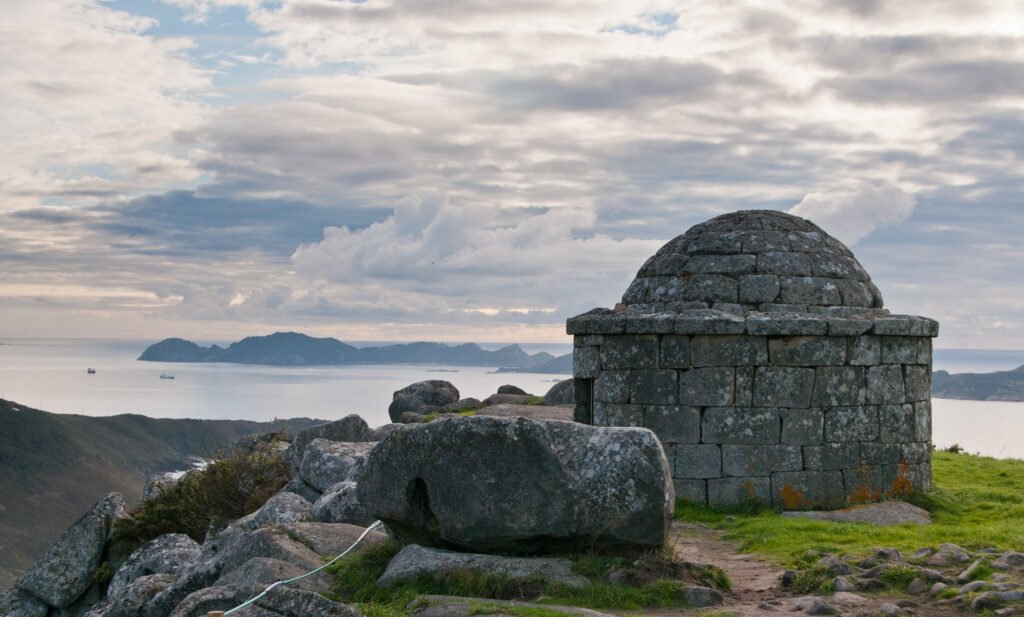
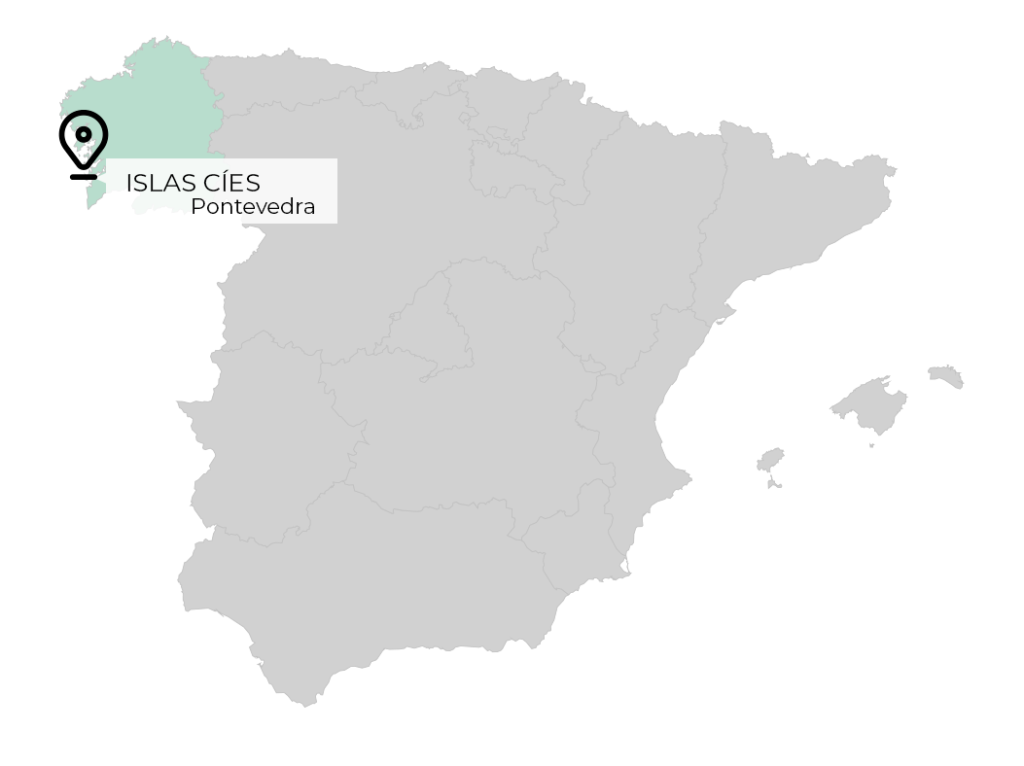
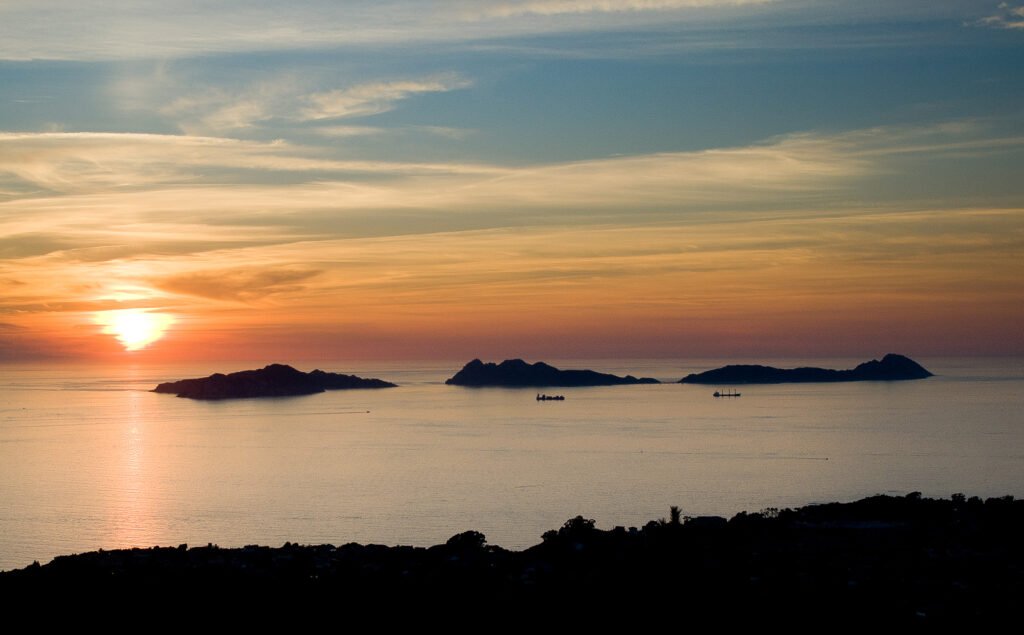
Las Islas Cíes se sitúan al noroeste de la provincia de Pontevedra, frente a la ría de Vigo, formando parte del Parque Nacional Marítimo-Terrestre de las Islas Atlánticas de Galicia. Este conjunto está compuesto principalmente por tres islas: Monteagudo, Faro y San Martiño, separadas por estrechos canales y unidas en algunos puntos por sistemas dunares. Su posición en la entrada de la ría las convierte en una barrera natural frente al Atlántico, lo que influye decisivamente en sus condiciones climáticas y ecológicas.
Las Islas Cíes se sitúan al noroeste de la provincia de Pontevedra, frente a la ría de Vigo, formando parte del Parque Nacional Marítimo-Terrestre de las Islas Atlánticas de Galicia. Este conjunto está compuesto principalmente por tres islas: Monteagudo, Faro y San Martiño, separadas por estrechos canales y unidas en algunos puntos por sistemas dunares. Su posición en la entrada de la ría las convierte en una barrera natural frente al Atlántico, lo que influye decisivamente en sus condiciones climáticas y ecológicas.
Location
The Cíes Islands are located northwest of the province of Pontevedra, facing the Vigo estuary, and form part of the Maritime-Terrestrial National Park of the Atlantic Islands of Galicia. This group is mainly composed of three islands: Monteagudo, Faro, and San Martiño, separated by narrow channels and joined in some places by dune systems. Their position at the entrance to the estuary makes them a natural barrier against the Atlantic, which decisively influences their climatic and ecological conditions.
The Cíes Islands are located northwest of the province of Pontevedra, facing the Vigo estuary, and form part of the Maritime-Terrestrial National Park of the Atlantic Islands of Galicia. This group is mainly composed of three islands: Monteagudo, Faro, and San Martiño, separated by narrow channels and joined in some places by dune systems. Their position at the entrance to the estuary makes them a natural barrier against the Atlantic, which decisively influences their climatic and ecological conditions.
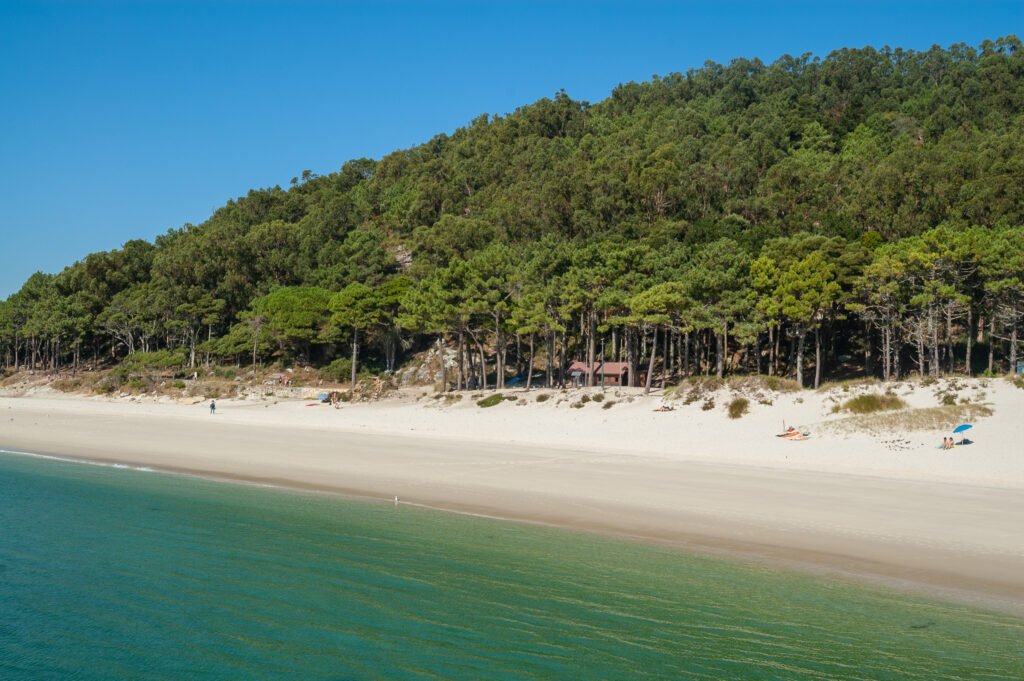
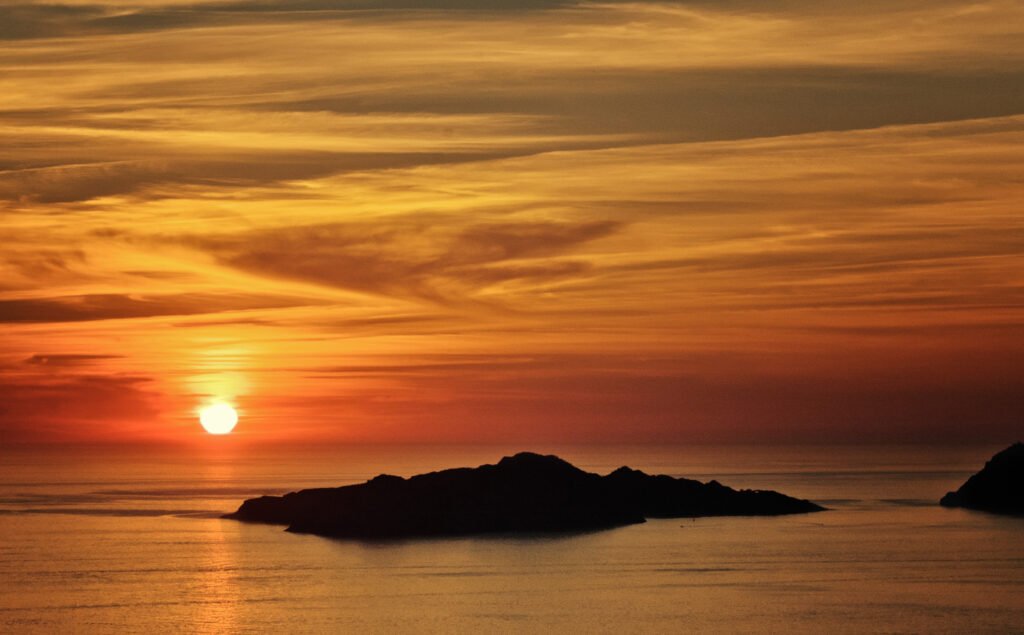
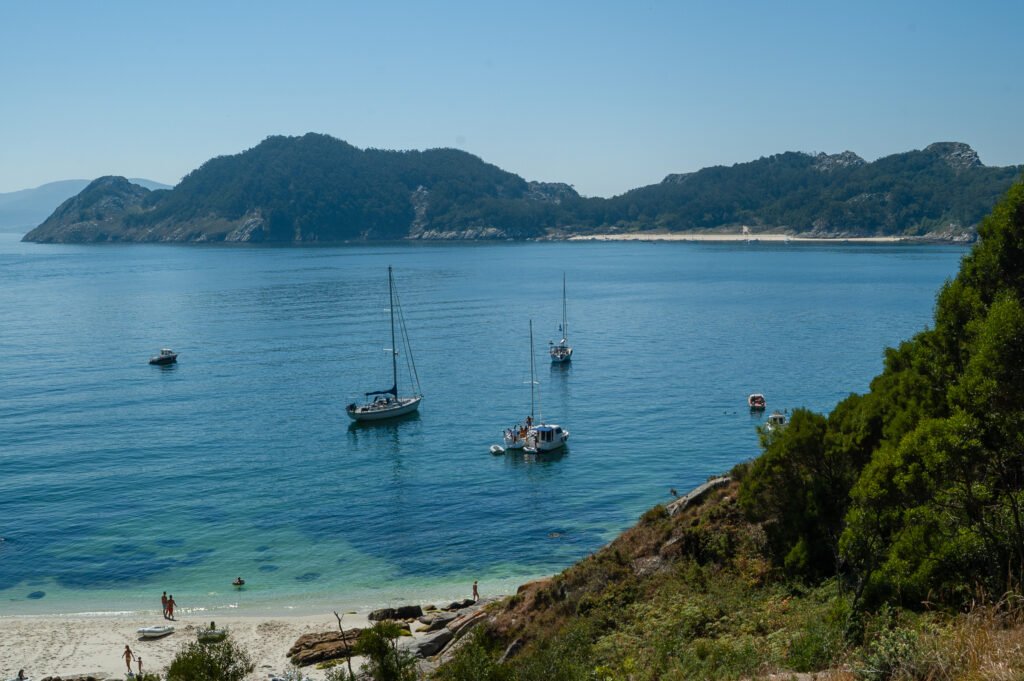
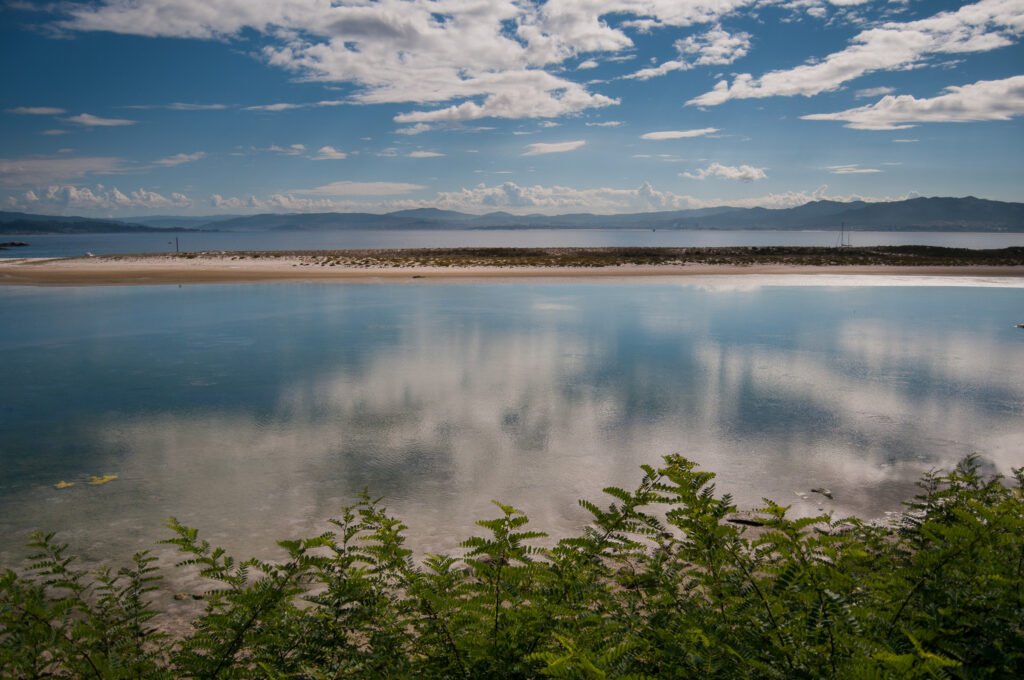
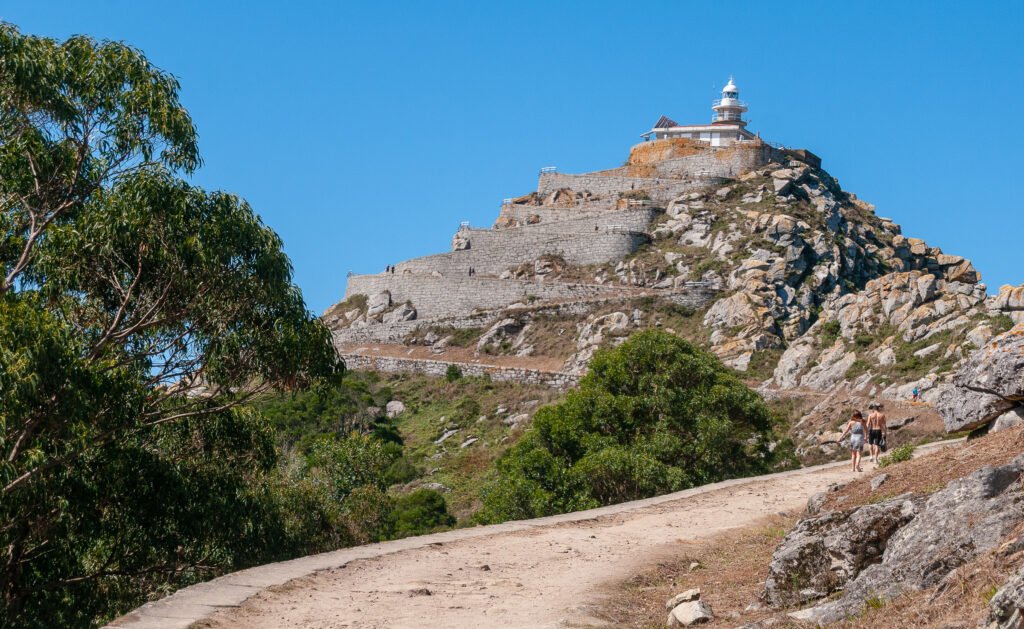
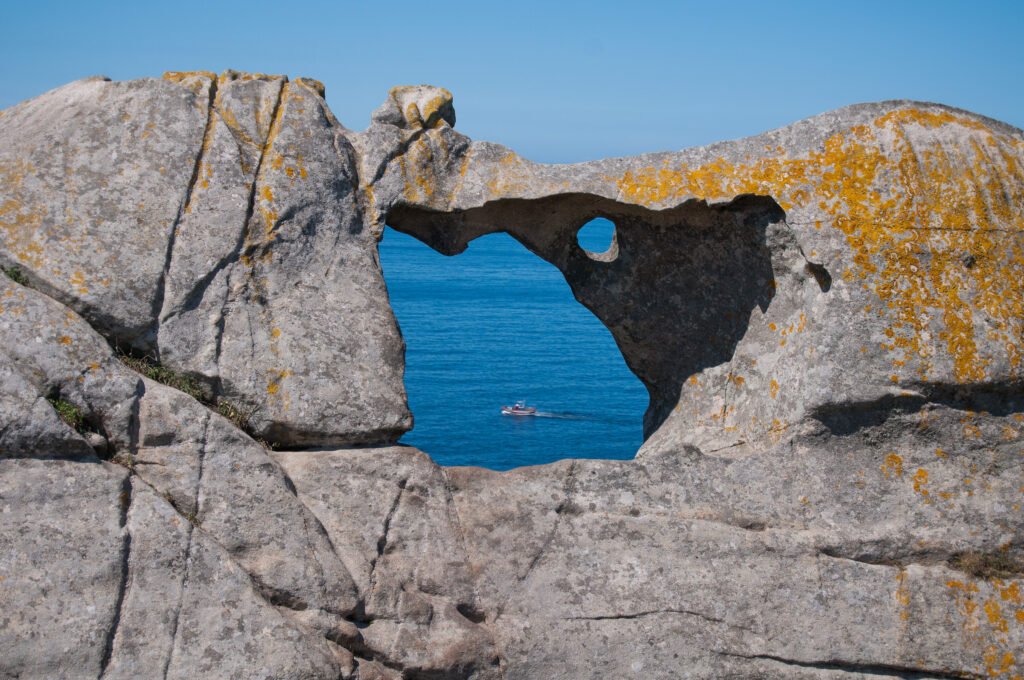
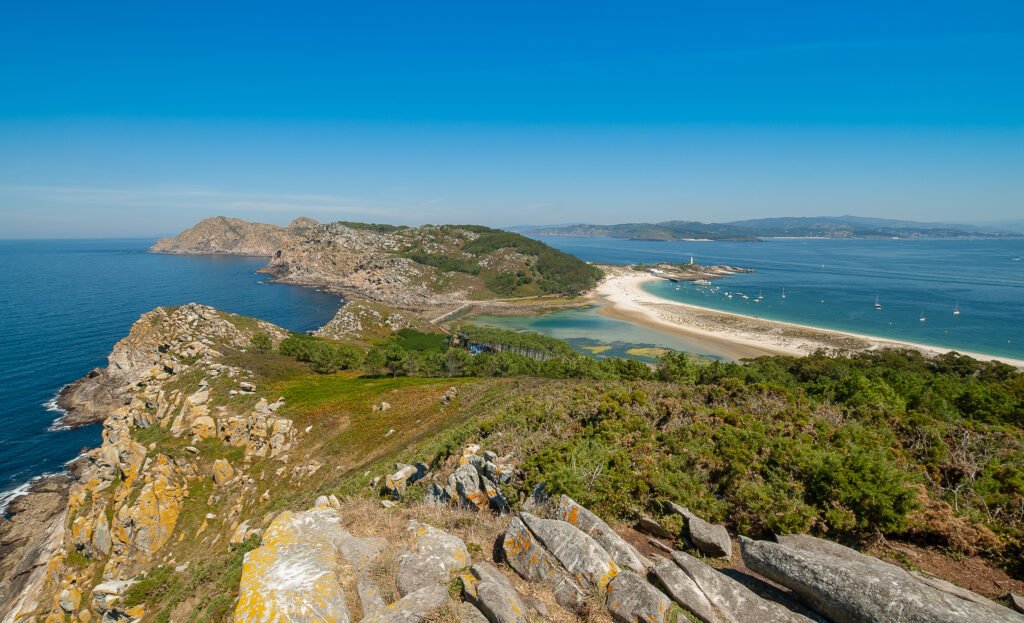
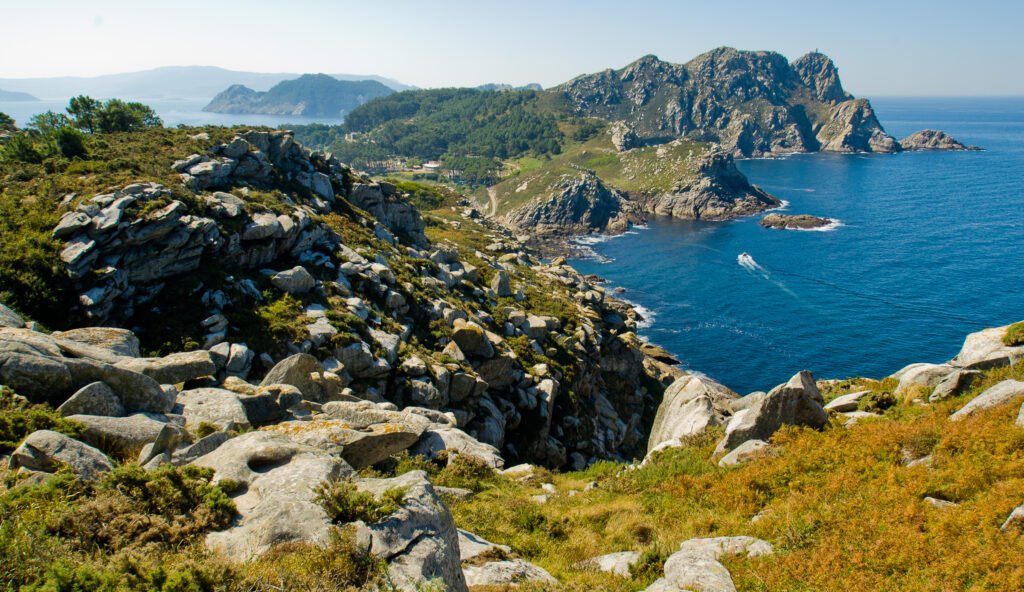
Desde el punto de vista geológico, las Cíes presentan un sustrato mayoritariamente granítico, modelado por la erosión marina y los procesos de meteorización a lo largo de millones de años. En la vertiente occidental destacan acantilados abruptos que superan los 100 metros de altura, expuestos directamente al oleaje atlántico, mientras que la vertiente oriental, más protegida, da lugar a playas de arena blanca y fina como la famosa Playa de Rodas, formada por la acumulación de sedimentos y la dinámica litoral. Este contraste paisajístico es uno de los rasgos más llamativos del archipiélago.
From a geological point of view, the Cíes Islands are mainly composed of a granitic substrate, shaped by marine erosion and weathering processes over millions of years. On the western side, there are steep cliffs that rise over 100 meters in height, directly exposed to the Atlantic Ocean waves. In contrast, the more sheltered eastern side features fine white sandy beaches such as the famous Rodas Beach, formed by sediment accumulation and coastal dynamics. This striking landscape contrast is one of the most remarkable features of the archipelago.
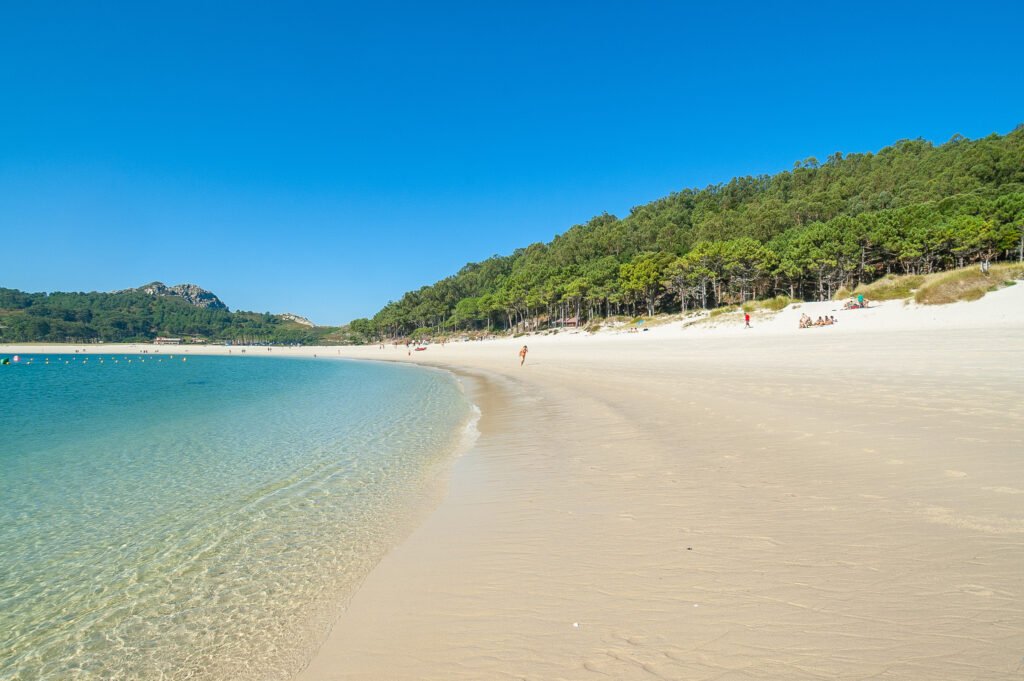
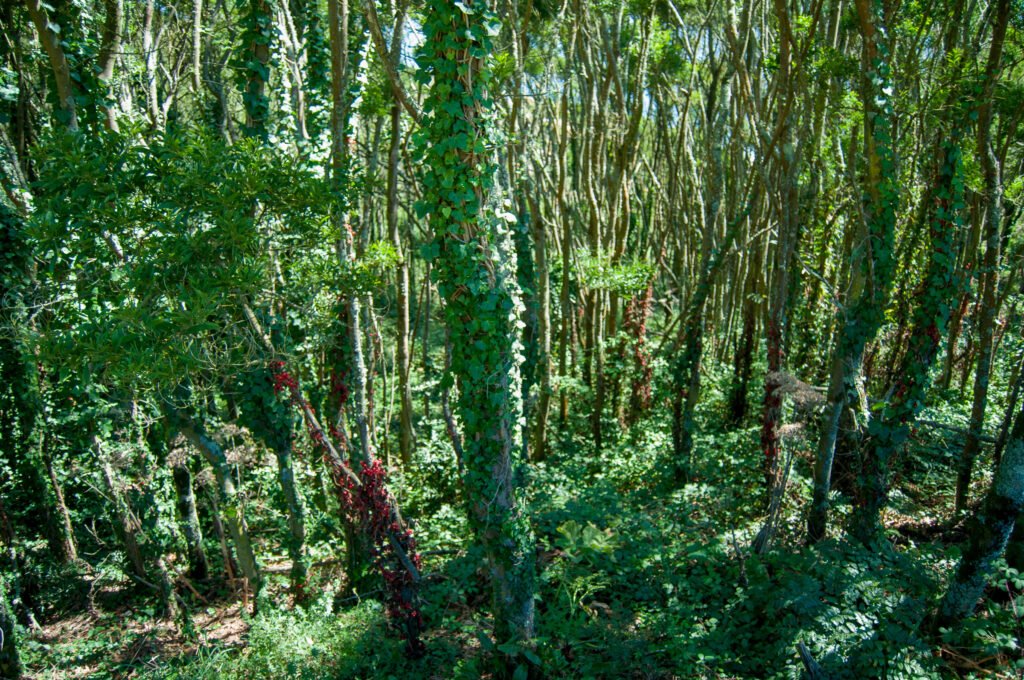
La flora de las islas está adaptada a condiciones de viento constante, salinidad elevada y suelos pobres. Predominan los matorrales de tojo y brezo, junto con especies halófilas que colonizan las dunas y zonas costeras. También se pueden encontrar pequeñas masas de pinar, resultado en parte de repoblaciones humanas, aunque el ecosistema original tiende hacia comunidades vegetales bajas y resistentes. Las dunas, especialmente en Rodas, constituyen un hábitat frágil y de gran valor ecológico, donde crecen plantas especializadas que ayudan a fijar la arena.
The flora of the islands is adapted to conditions of constant wind, high salinity, and poor soils. Heath and gorse scrubland predominates, along with halophytic species that colonize dunes and coastal areas. Small pine stands can also be found, partly resulting from human reforestation efforts, although the original ecosystem tends toward low-lying, resilient plant communities. The dunes, especially in Rodas, form a fragile habitat of high ecological value, where specialized plants grow that help stabilize the sand.
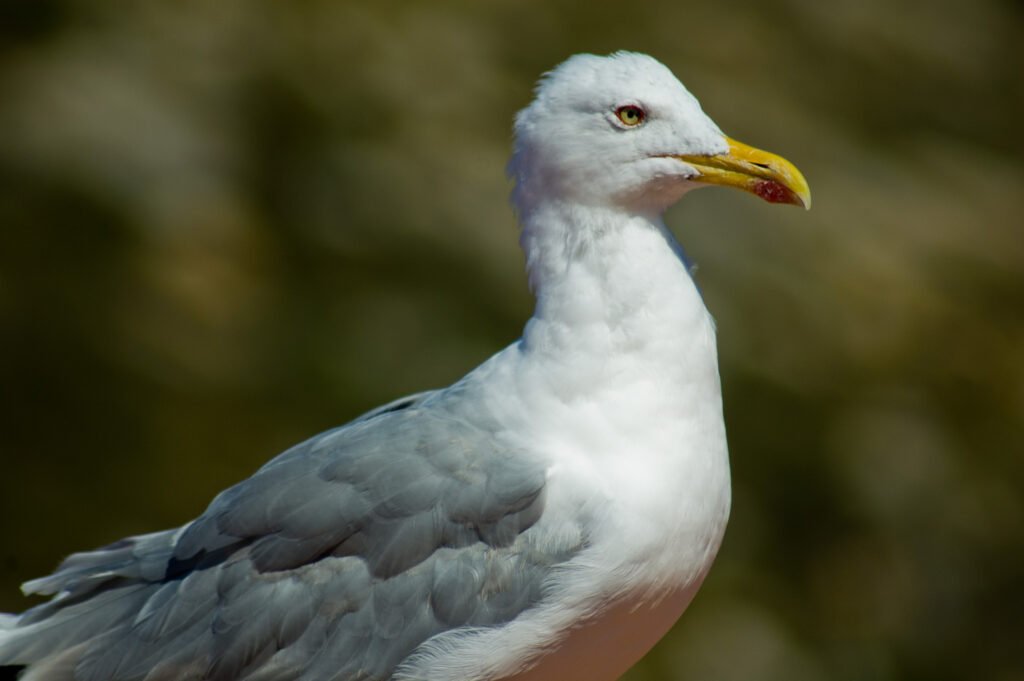
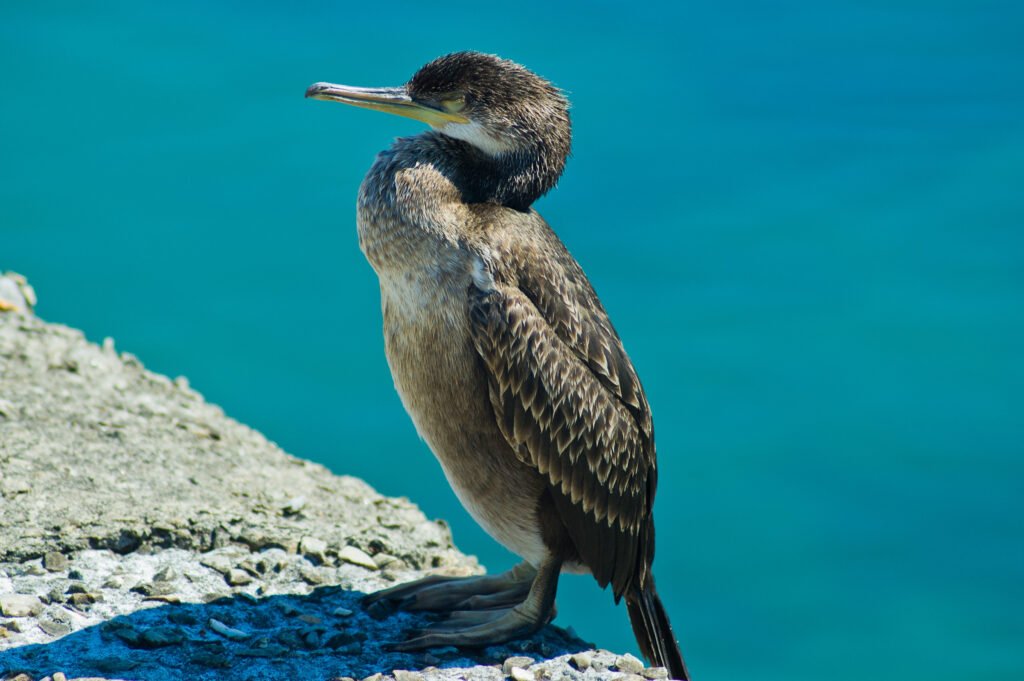
En cuanto a la fauna, las Islas Cíes son un enclave de enorme importancia para las aves marinas. Destaca la presencia de la mayor colonia reproductora de gaviota patiamarilla (Larus michahellis) de Europa, así como otras especies como el cormorán moñudo. En los acantilados y zonas rocosas encuentran refugio y lugares de cría, mientras que las aguas circundantes, ricas en nutrientes por las corrientes atlánticas, proporcionan abundante alimento. Además, el entorno marino alberga una notable biodiversidad, con presencia de peces, moluscos y ocasionalmente mamíferos marinos como delfines.
In terms of fauna, the Cíes Islands are an area of enormous importance for seabirds. Notably, they host the largest breeding colony of yellow-legged gull (Larus michahellis) in Europe, as well as other species such as the European shag. The cliffs and rocky areas provide shelter and breeding sites, while the surrounding waters, rich in nutrients due to Atlantic currents, offer an abundant food supply. In addition, the marine environment supports remarkable biodiversity, including fish, mollusks, and occasionally marine mammals such as dolphins.
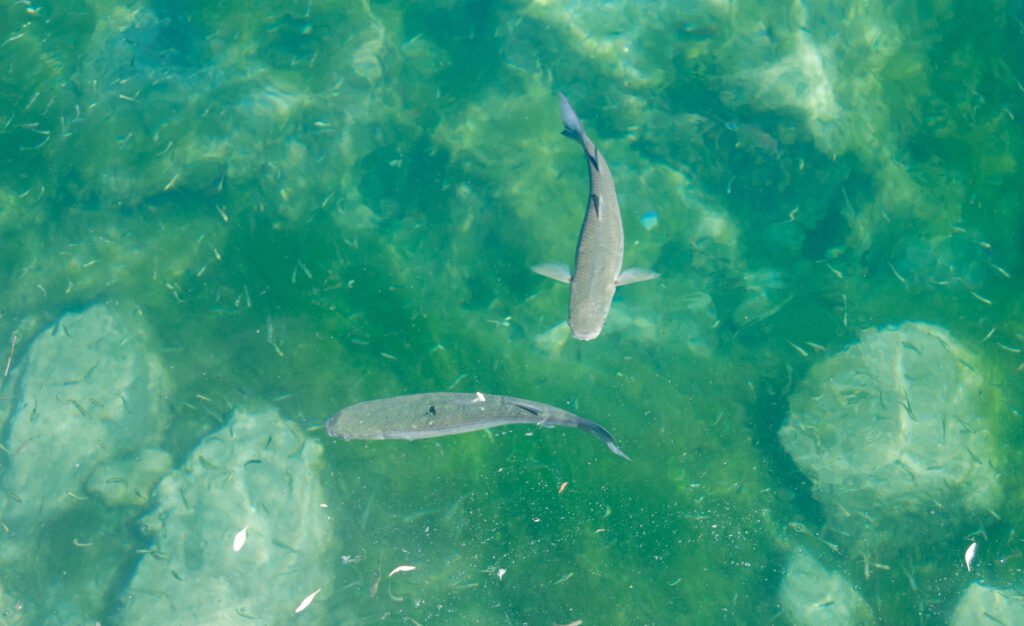
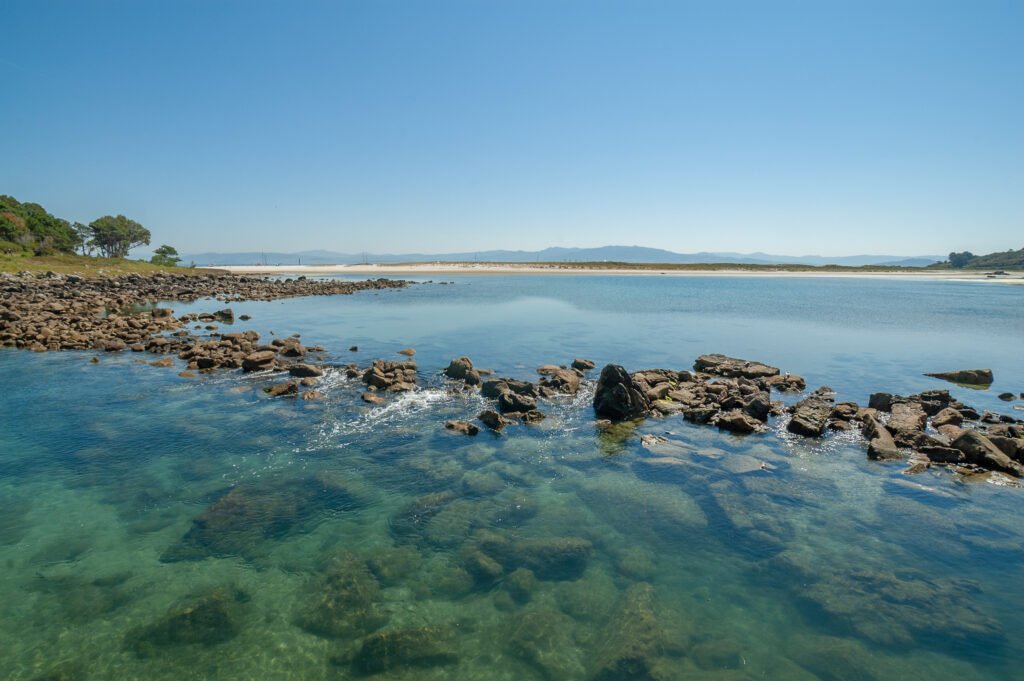
El medio marino que rodea las islas es igualmente destacable por sus fondos de algas y praderas submarinas, que actúan como auténticos viveros de vida. Estas comunidades contribuyen a la claridad y calidad del agua, lo que refuerza el atractivo natural del lugar y su valor ecológico. La interacción entre los ecosistemas terrestres y marinos convierte a las Cíes en un espacio de gran complejidad biológica.
The marine environment surrounding the islands is equally remarkable for its algae beds and underwater seagrass meadows, which act as true nurseries of marine life. These communities contribute to the clarity and quality of the water, enhancing the natural appeal of the area and its ecological value. The interaction between terrestrial and marine ecosystems makes the Cíes Islands a place of great biological complexity.
En conjunto, las Islas Cíes representan un ejemplo excepcional de conservación de ecosistemas costeros atlánticos, donde la acción conjunta de procesos naturales y protección ambiental ha permitido mantener un equilibrio que hoy se considera uno de los mayores tesoros naturales de España.
Overall, the Cíes Islands represent an exceptional example of the conservation of Atlantic coastal ecosystems, where the combined action of natural processes and environmental protection has helped maintain a balance that is now considered one of Spain’s greatest natural treasures.